Navigating NYC's Port Operations: Tips for Efficient Freight Movement
Navigating the bustling port operations in New York City can be a complex task, especially for those unfamiliar with its intricacies. As a global trade hub, NYC's ports handle millions of tons of cargo annually, making efficiency crucial for successful freight movement. In this post, we will explore some essential tips to optimize your operations and ensure smooth sailing through NYC's busy ports.
Understanding NYC's Port Infrastructure
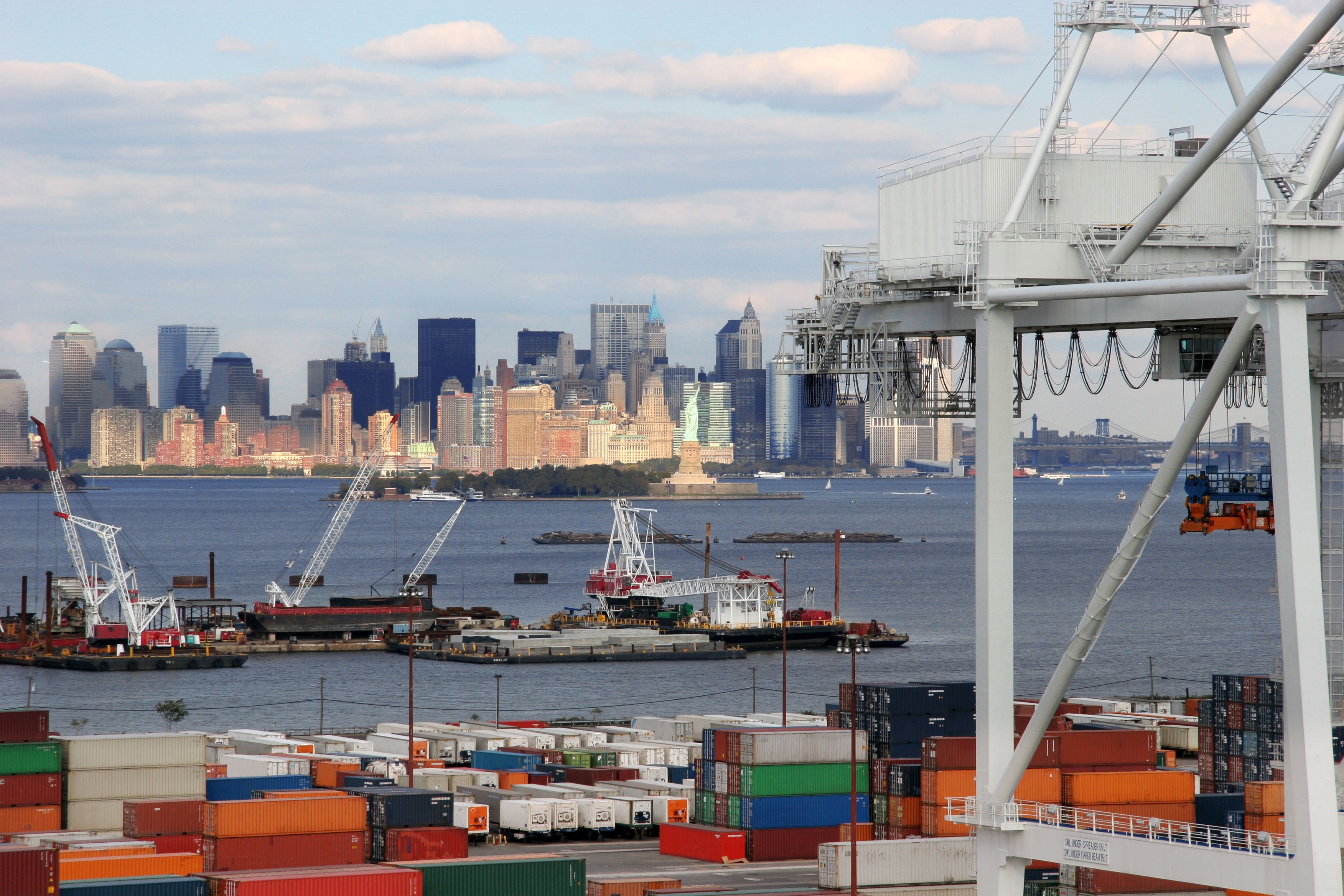
The Port of New York and New Jersey is the third-largest port in the United States, offering a vast network of terminals, rail connections, and roadways. Familiarizing yourself with the infrastructure is a vital first step. The port consists of several key terminals, each specializing in different types of cargo, from containers to bulk commodities.
Knowing which terminal best suits your freight needs can save time and resources. For instance, if you're dealing with containerized goods, focusing on the container terminals in Elizabeth or Newark might be beneficial.
Optimizing Route Planning
Efficient route planning is essential for timely deliveries. NYC's traffic can be unpredictable, so utilizing technology to map out real-time routes is advisable. GPS and logistics software can help identify the quickest and least congested paths, reducing delays and enhancing productivity.
Consider multimodal transport options, such as combining trucking with rail, to navigate traffic and expedite the movement of goods. This flexibility can be a game-changer in maintaining schedule integrity.
Streamlining Documentation and Compliance
Proper documentation and adherence to regulations are non-negotiable when operating within NYC's ports. Ensure that all paperwork, such as bills of lading, customs declarations, and compliance certificates, is accurate and up-to-date. This diligence not only speeds up processing but also avoids costly fines and delays.

Leveraging Technology for Efficiency
Technology plays a pivotal role in modern freight operations. Implementing advanced tracking systems can provide real-time updates on cargo location and status, allowing for proactive management and swift response to any issues.
Automation tools can further streamline operations, from inventory management to scheduling, reducing human error and increasing efficiency. Investing in the right technology is crucial for staying competitive in the fast-paced world of freight movement.
Building Relationships with Key Stakeholders
Strong relationships with terminals, shipping lines, and local authorities can significantly enhance your operations. Networking with these stakeholders can provide critical insights and facilitate smoother interactions during the freight movement process.

Regular communication with partners ensures that you are informed of any changes or potential issues, allowing you to adapt quickly and maintain the flow of goods.
Emphasizing Safety and Security
Finally, prioritizing safety and security is essential in navigating NYC's port operations. Implement robust security measures to protect your cargo from theft and damage. Additionally, ensure that your team is trained in safety protocols to prevent accidents and injuries.
By focusing on these areas, you can navigate NYC's port operations more effectively, ensuring that your freight moves efficiently through one of the world's busiest trade hubs. With the right strategies in place, you can optimize your operations and enhance your bottom line.