Sustainable Freight Solutions in NYC: A Green Approach
Introduction to Sustainable Freight Solutions
The bustling metropolis of New York City is not only a hub for culture and business but also a central node in the global supply chain. With such a dense infrastructure, the need for sustainable freight solutions has never been more pressing. As climate change becomes an increasingly urgent issue, NYC is turning to green freight options to reduce its environmental impact.

The Importance of Green Logistics
Green logistics involves optimizing supply chain processes to minimize ecological footprints. In NYC, this means adopting practices that reduce emissions, improve air quality, and support the city's sustainability goals. Implementing these practices is crucial for a city that is a major contributor to economic activities and also faces significant environmental challenges.
With advancements in technology, there are now more opportunities than ever to make freight transportation more sustainable. Businesses in NYC are increasingly investing in eco-friendly solutions to align with consumer demands for greener practices.
Electric Vehicles and Alternative Fuels
One of the most effective ways to reduce emissions in freight transportation is through the use of electric vehicles (EVs) and alternative fuels. EVs eliminate tailpipe emissions, significantly lowering pollution levels in densely populated areas like NYC. Additionally, alternative fuels such as biodiesel and compressed natural gas (CNG) provide cleaner-burning options compared to traditional diesel fuels.
Urban Consolidation Centers
Urban Consolidation Centers (UCCs) play a vital role in sustainable freight solutions. By consolidating deliveries in a central location, UCCs reduce the number of trips needed to deliver goods, thus decreasing traffic congestion and emissions. These centers are particularly effective in urban areas where space is limited and traffic is heavy.
NYC is exploring the potential of UCCs to streamline logistics, offering a promising approach to minimize the environmental impact of freight transport.
Last-Mile Delivery Innovations
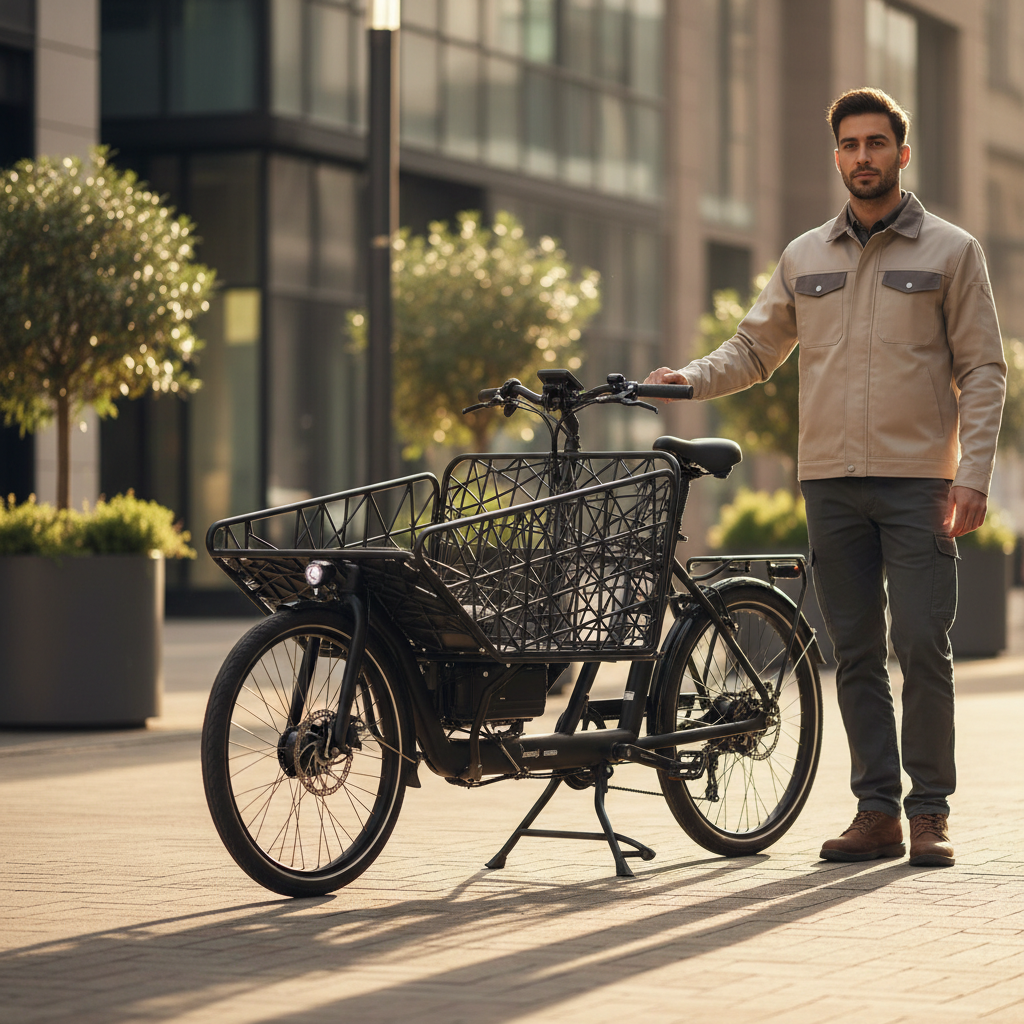
The last mile of delivery is often the most challenging and environmentally taxing segment of the supply chain. Innovations such as cargo bikes and autonomous delivery vehicles are paving the way for more sustainable last-mile solutions. These innovations not only cut emissions but also enhance delivery speed and efficiency in crowded urban environments.
Policy and Partnerships
Effective policy frameworks and partnerships are essential for advancing sustainable freight solutions. The NYC government is actively collaborating with businesses and organizations to create policies that support green logistics. These include incentives for adopting clean technologies and regulations to limit emissions.
Partnerships between public and private sectors are fostering innovation and investment in sustainable practices, setting benchmarks for cities worldwide.
The Future of Freight in NYC
Looking ahead, the future of freight in NYC holds exciting possibilities. The integration of smart technologies, like IoT and AI, is expected to further optimize logistics and reduce environmental impact. As these technologies evolve, they will play a crucial role in shaping a sustainable future for freight transportation.
By investing in green freight solutions, NYC is not only addressing its environmental challenges but also setting a standard for other urban centers globally.